 Editor's Note: A similar version of this blog post originally appeared in the Concord Journal here: Reassuring elders who live alone during an emergency - Concord, MA
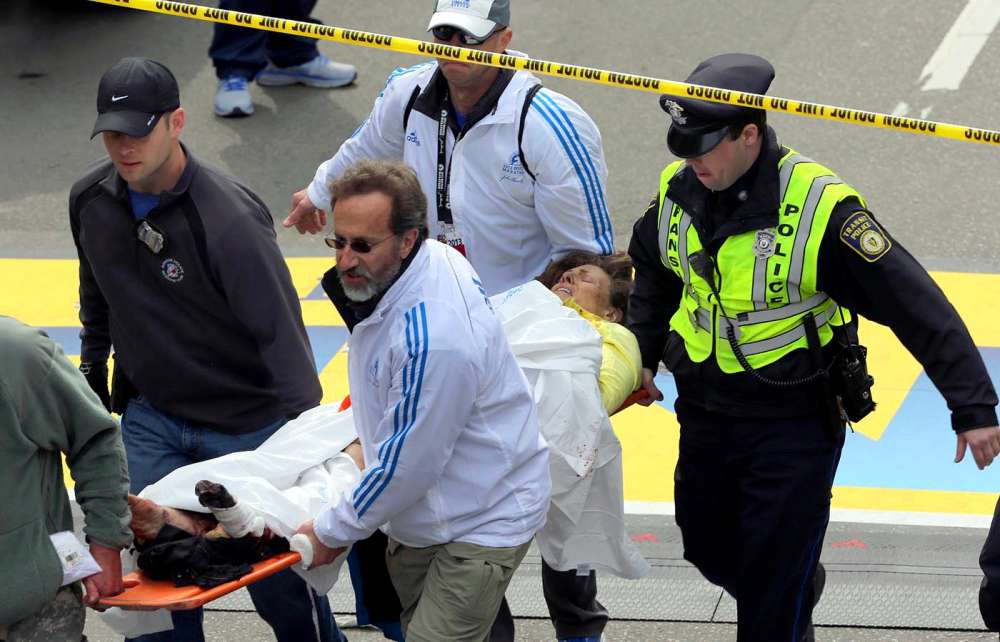
This past week the Boston Marathon bombings put parts of the city and suburbs on lockdown, providing an unwelcome example of a type of emergency families rarely plan for: terrorism and police actions. Most people who care for elders think often about the elder’s own health crises, and all of us have to plan for blizzards, power outages, and related events. But reassuing a frightened elder during an act of terrorism? Not so much.
At least a blizzard or storm comes with some warning; this tested families and caregivers with its sudden and unpredictable course. As we addressed the logistics of the emergency, and got caregivers to everyone, we found ourselves responding also to clients, families, and care staff searching for words to comfort and reassure vulnerable people who may not have fully understood what was happening, but knew enough to realize that an ominous and uncontrollable threat was at hand.
Reassuring people in an uncertain world can be a difficult task. Part of the job is very practical: reduce the risk as much as possible, and be ready to respond if something goes wrong. But once that is done, we have the often-delicate task of reassuring a frail elder whose cognitive skills or memory may be compromised. Although our information is never perfect, emergencies like blizzards are common enough, and their paths well known enough, that we can provide some solid guidance. But the truly unpredictable nature of a terrorist bombing and a manhunt close to home can present challenges we rarely have to face.
At these times, personal trust is your best asset. Reassurance comes in many forms, and telling your loved ones that the door is locked may not comfort them nearly as much as sitting with them to help them feel secure (but lock the door anyway). Here are a few helpful guidelines designed to avoid the onset of stress, or to reduce the stress once it appears:
- Comfort their fears. Last week, you might have reminded an elder that these are very rare events, and that many, many really good people were there to help, even risking their lives to help the wounded. Ask them about times they remember people who were extraordinarily kind or generous or heroic in times of crisis. Observe that people like that are still with us today.
- Listen, and allow them to talk about their feelings and memories of the other events this may bring up. This may include stresses from long ago – WWII for example, or a time their home was robbed as a child. Allow those feelings to be voiced and those memories to be recalled, but …
- ...despite the advice above, try to redirect attention so that no one dwells on the current threat. If at all possible, do not allow someone to sit and listen to the news about this all day, especially when there is really nothing new being said. lnstead, find an activity at home away from the TV or radio, or take them out of the house. Some people can be easily distracted with a favorite activity, and now is a good time to use it.
As we say with all parts of the journey in elder care, these times, if accepted for what they are, can still yield treasured moments. There is little more that we can do for those we love of any age than to be there when needed. And in that sense, if you can provide the support that settles their mind, you might create one of those treasured memories. It may be that providing comfort in a fearful time is an event you will remember years after your loved one is gone.